
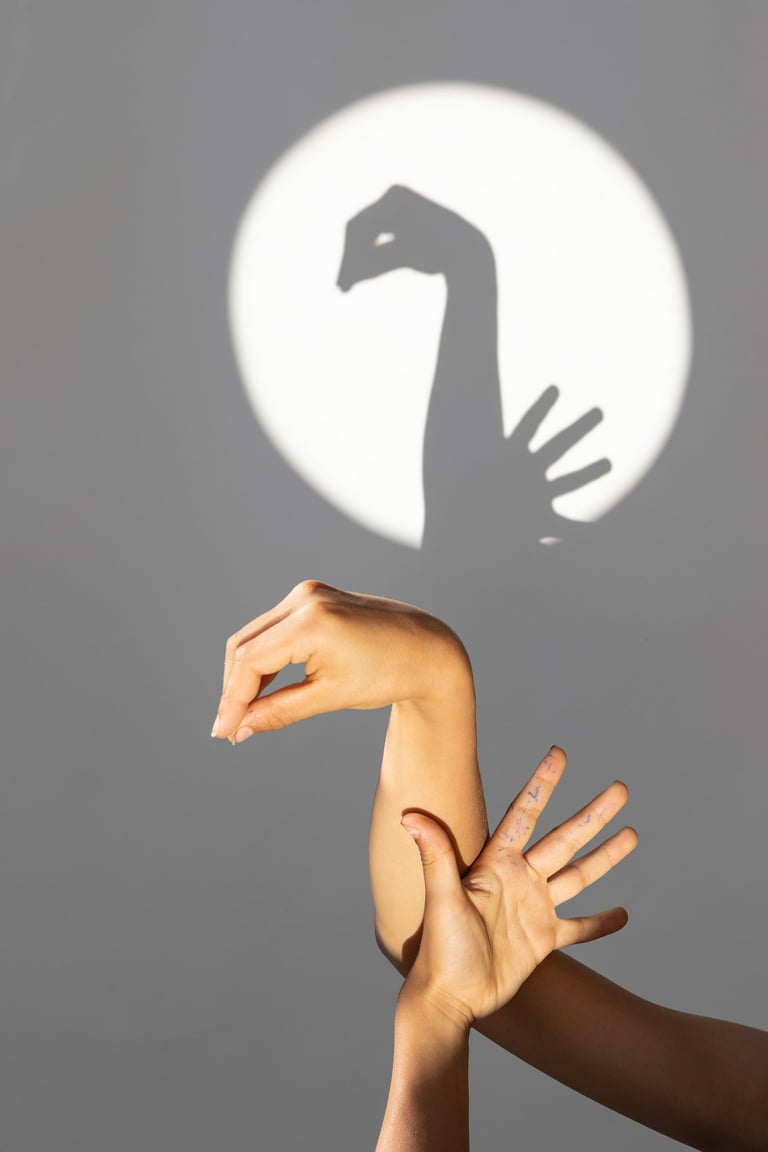
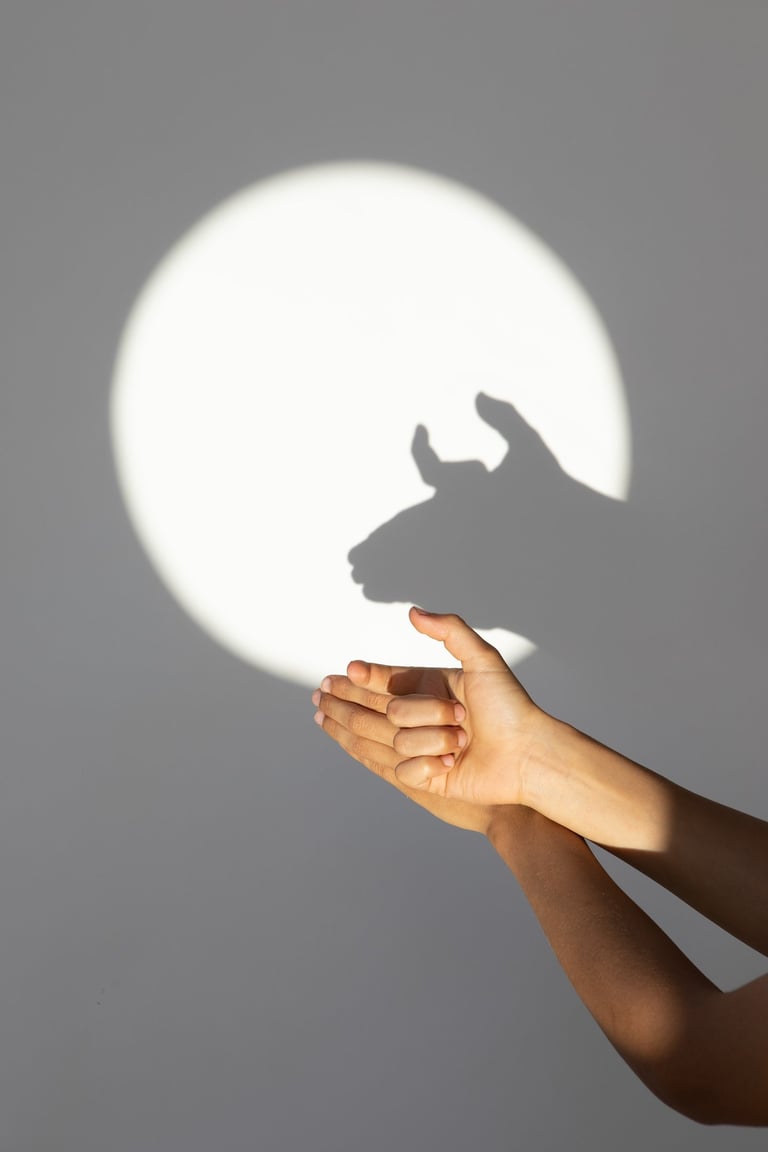
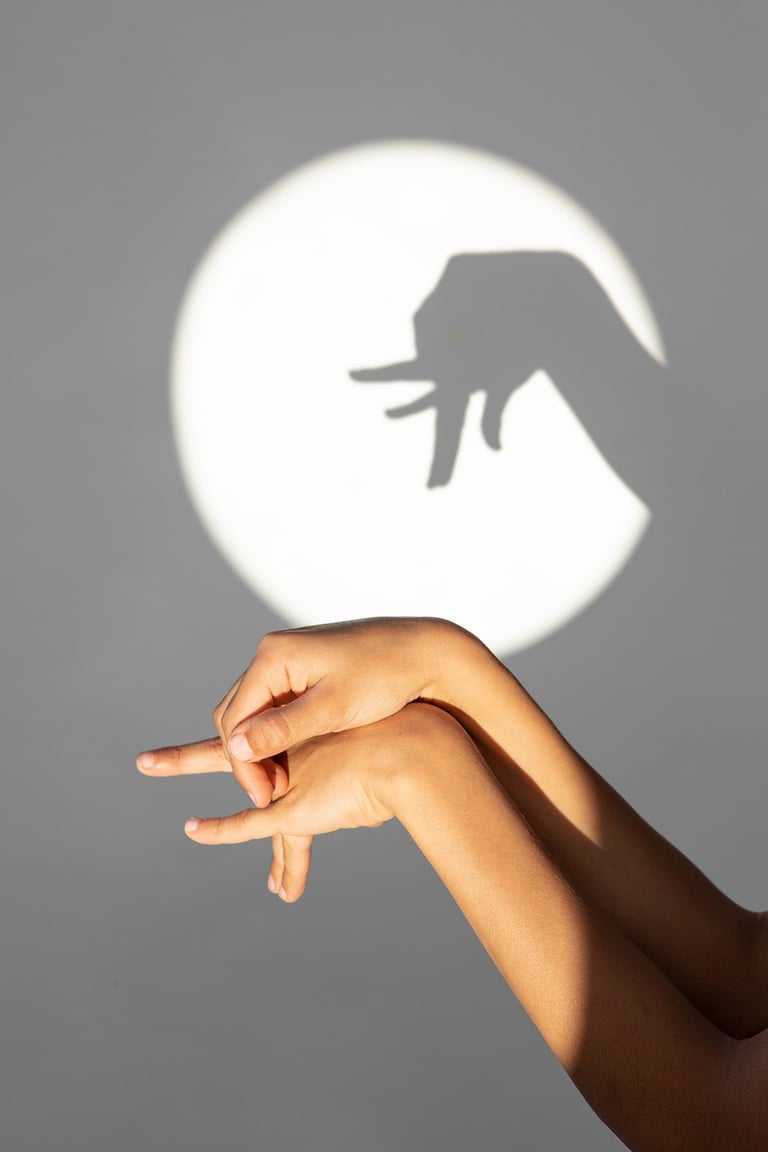
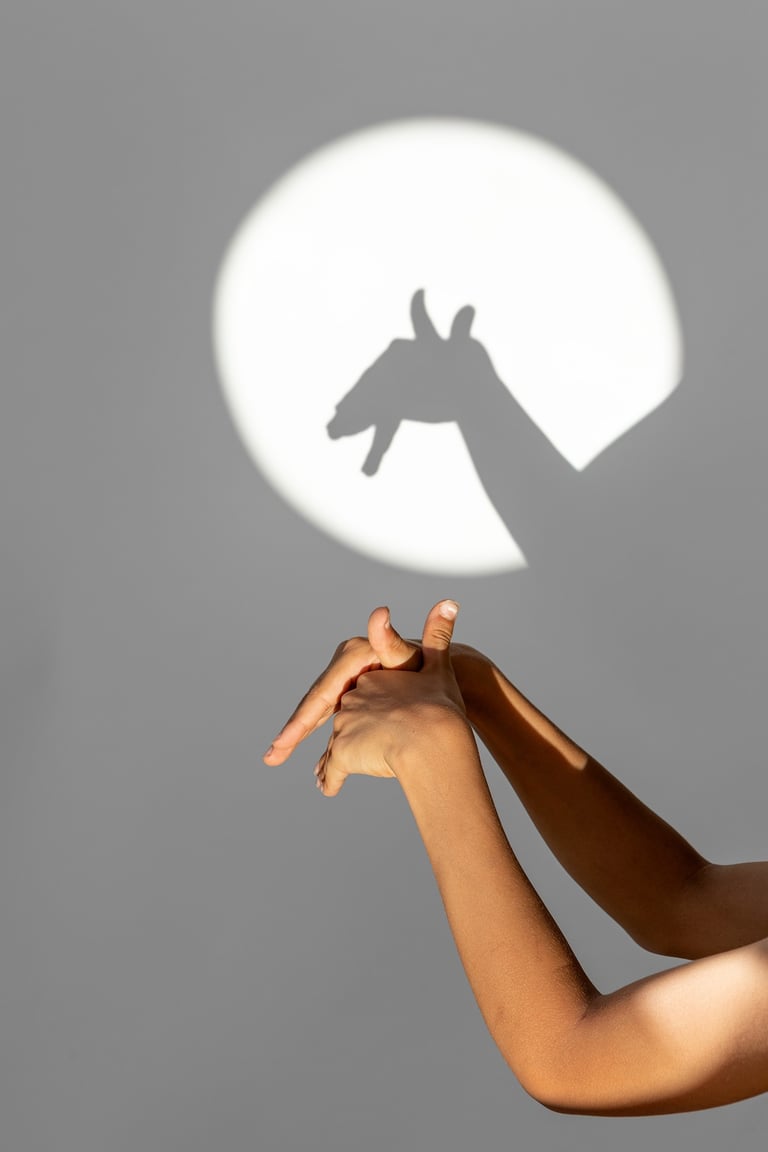
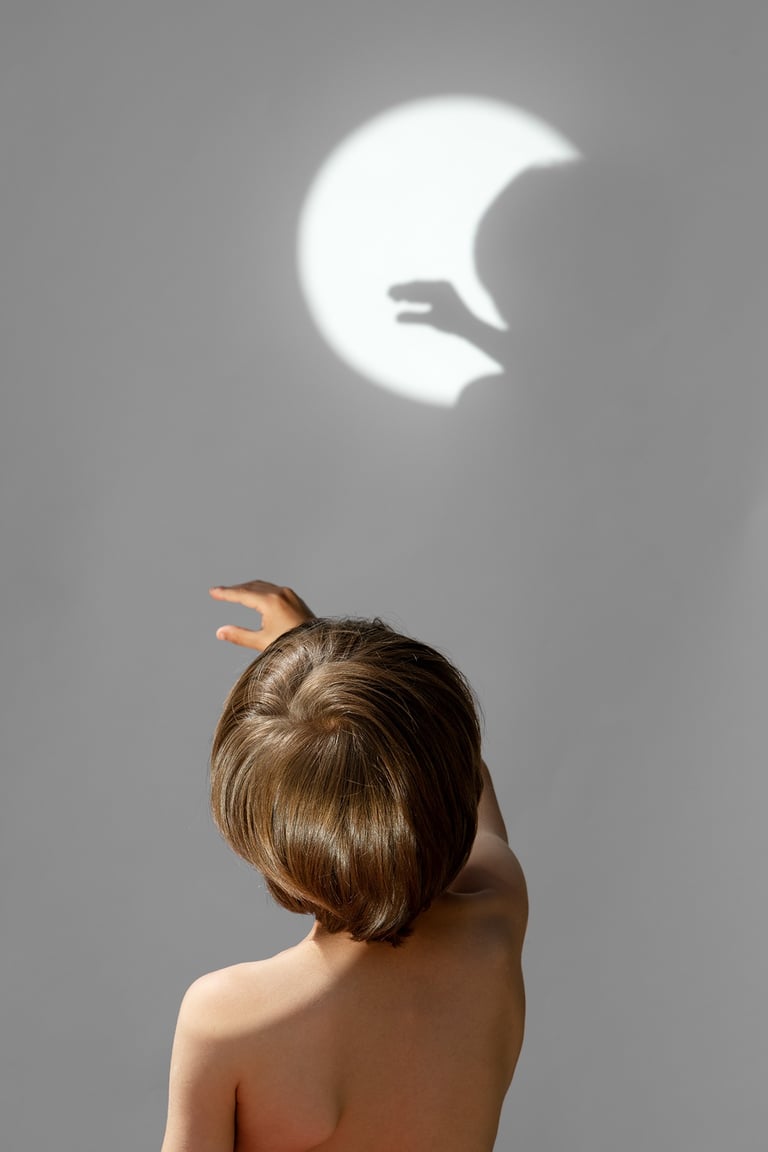
ESCAPE GAME
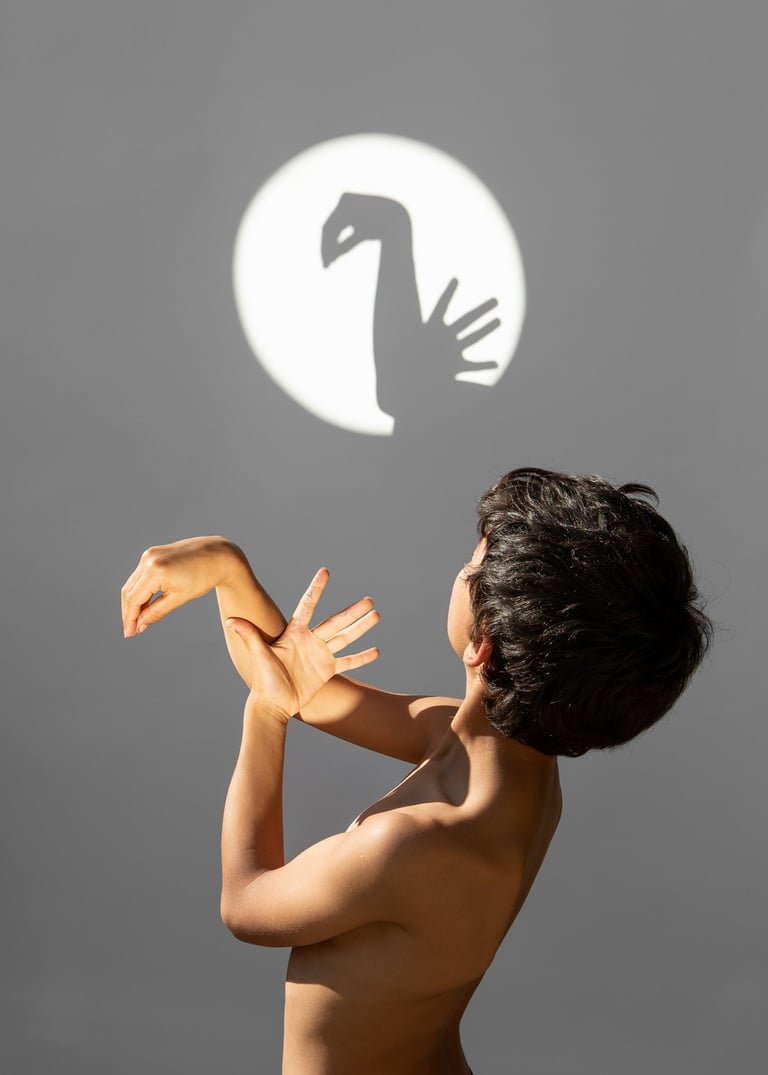
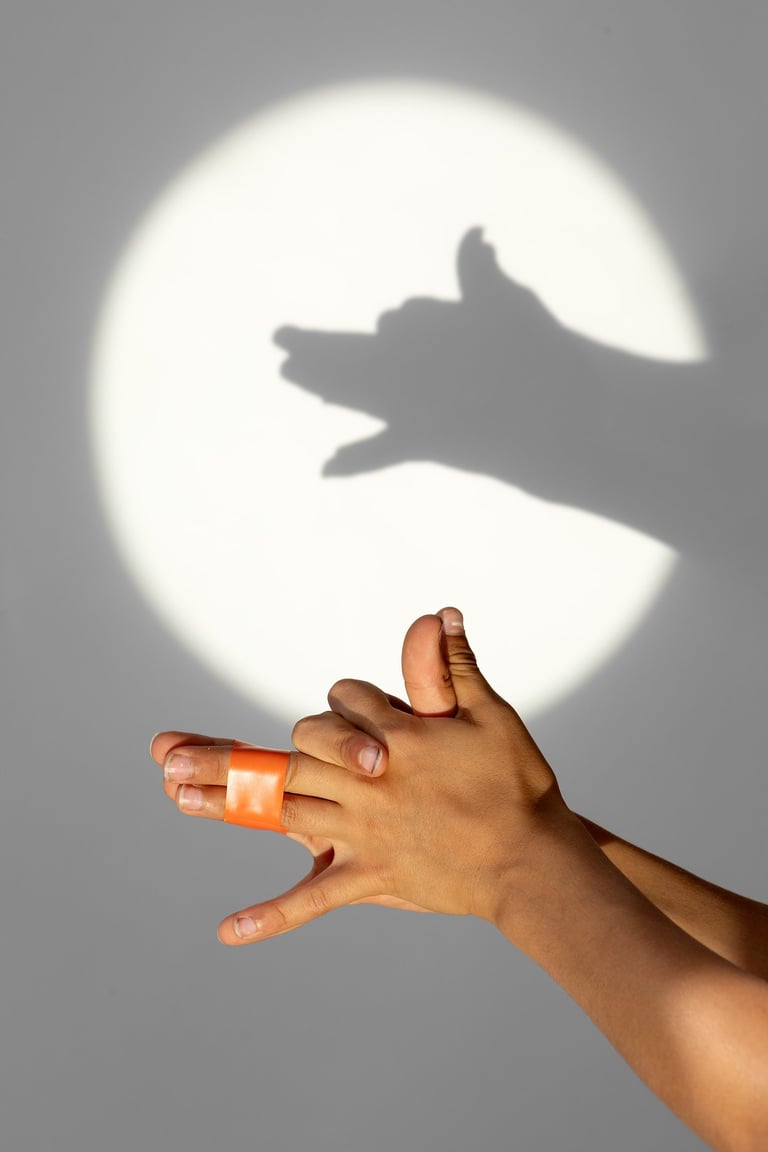
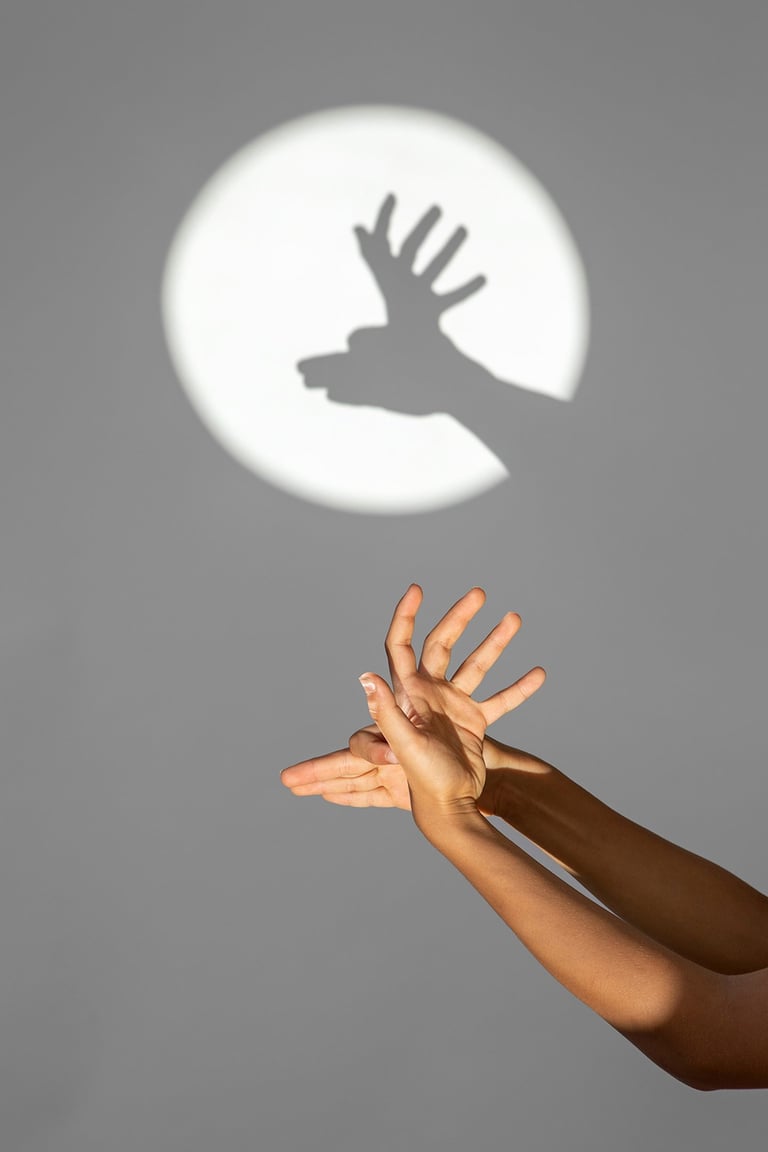
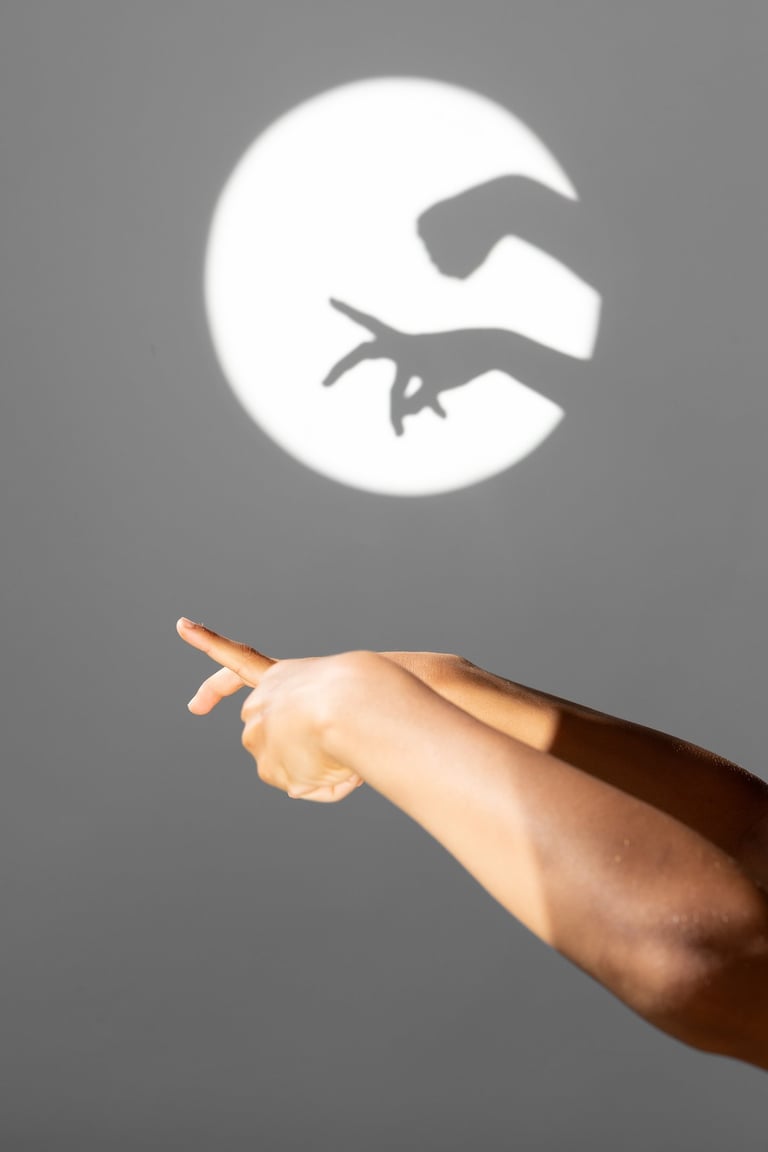
Let’s call “escape game” all those strategies we’ve adapted to escape during the lockdowns of the COVID-19 pandemic—ways to kill time or to reclaim it. Here, simple gestures that redirect the path of sunlight using a small bathroom mirror project fantastical animal figures. Economy of means, silence, presence in the real world—this child’s game stands in contrast to the media frenzy unfolding at the time. More than ever, personal space seemed permeable to the public sphere; a media cacophony poured in through windows and doors; alarming expert commentators invited themselves to our tables, and since then, it has never fallen silent. Speech seems forever damaged. Have we remained prisoners in the cave of Plato’s myth? Alain Badiou explains, “Plato presents the world to us as a world of ignorance and pretense. People are settled in the shadows of the cave, and they themselves see only shadows. People never see reality, but always images of that reality. Images that do not in themselves indicate what is really happening. At its core, it is a society alienated by images, deceived by images, and the philosopher is portrayed as someone who has the courage to step out of the cave. He steps away from the images and tries to touch reality. He is dazzled by the sun; he encounters animals, plants, the whole world, and he realizes that he was living in error and absence; he was living under the dictatorship of images. And this is where we find the gesture that truly characterizes the conclusion of Plato’s book: he realizes he must return to the cave, that what he has seen, he must tell everyone. This is the moment of universality. We must not keep what we know to ourselves but share it with everyone, and that is the great conclusion of Plato’s Republic". In Escape Game, a shadow play at teatime, the idea was to bring these shadows to light.